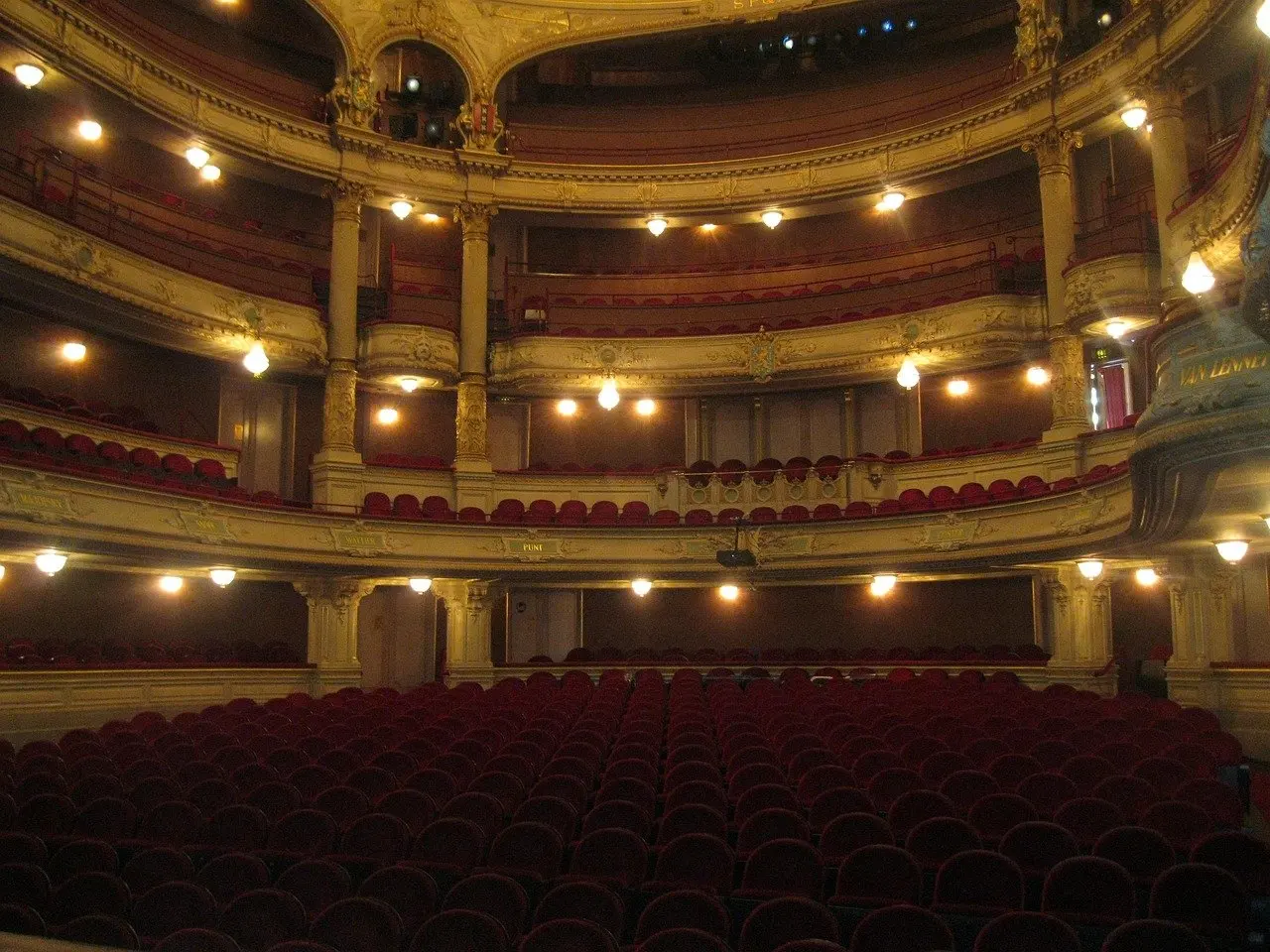
esports emberslasvegas is a search for the esports and gaming side of a blog-style content site called Embers Las Vegas. The site publishes guides under that name, and some of their titles deal with competitive video gaming. This article explains what that side of the brand is and what the search is usually after.
People type the phrase in several orders, such as emberslasvegas esports or gaming emberslasvegas. They are generally looking for the same thing: the guides about esports and gaming that carry the brand’s name.
The table below answers the first questions a reader tends to have.
| What is emberslasvegas? | A blog-style content site titled Embers Las Vegas. |
| What does the esports side cover? | Guide-style titles about an esports arena, events, teams and ways to get involved. |
| Is there a contact route? | Yes, the site has a contact page that gives one email address. |
| How fast does the site say it replies? | Replies usually come within one business day, according to the contact page. |
| Does the www form of the address work? | Yes, typing it with or without www lands on the home page. |
| Is this a game or a store? | The facts describe a content site, not a game or a store. |
What emberslasvegas is and what the esports side means
emberslasvegas is a blog-style content site whose title is Embers Las Vegas. When someone searches esports emberslasvegas, they are asking about the part of that site that deals with competitive gaming.
The site’s pages describe it as run by its editors, and the About Us page names two of them. No company or owner is named there. That is all the site states about who runs it, so this article leaves it at that.
The esports material shows up in titles. One guide is called “Embers Las Vegas Esports Arena: The Complete 2026 Guide”. Another is called “Esports Embers Las Vegas: The 2026 Fan’s Guide To Events, Teams, And How To Get Involved”. Both read as reader guides: they point at venues, events, teams and ways in, rather than at a game a person can download.
That matters for anyone expecting an app or a tournament account. The facts describe articles to read. They do not describe a login, a store or a streaming service. A person who wants esports gaming information in the brand’s name is looking at written guides.
A short introduction is all the brand needs. The useful part is how esports and gaming content works in general, which the next sections cover.
The wider topic: esports and gaming in general
Esports is organised, competitive video gaming played by individuals or teams under agreed rules. Gaming is the broader word and includes casual play, single-player games and everything around them.
The two overlap, but they answer different questions. A gaming search often wants hardware, game recommendations or how to play. An esports search more often wants schedules, teams, results and places to watch or attend.
Esports has a recognisable structure. Publishers release games. Organisers run tournaments or leagues for them. Teams sign players, called a roster, and enter those events. Fans follow matches live or later, either on a stream or in a venue. Writers then cover all of this in news pieces, event guides and record-keeping pages.
A venue-based guide has a place in that picture. An arena is a physical site where matches can be held in front of an audience. A guide to one covers who it is for, what happens there and how a newcomer joins in. That is the kind of subject the brand’s esports titles name.
Gaming and esports guides also age quickly. Rosters change, events move and games get patched. Readers who find a guide should treat its details as a starting point and check the event organiser for anything time-sensitive, such as dates or tickets.
What happens behind the search, step by step
A search such as esports gaming emberslasvegas moves through a short chain of events before a reader gets an answer. The chain is the same for most brand-plus-topic searches.
First, the reader types the phrase. Because the words come in no fixed order, search engines treat them as a loose request: a topic (esports, gaming) and a name (emberslasvegas). Results are then drawn from pages that mention both.
Second, the reader chooses a result. For this brand, the home page is the usual starting point, and typing the address with or without www leads to that same home page. From there, a reader can look for an esports guide by its title.
Third, the reader opens a guide. A guide aimed at fans typically introduces the subject, then walks through the practical parts: what an event is, which teams or players take part, and how someone gets involved. The facts give the titles, not the full texts, so the specifics inside each guide are best read in the guide itself.
Fourth, the reader decides what to do next. If a question is left over, the site’s contact page gives one email address, [email protected], and says replies usually come within one business day. It also asks senders to put the site name in the email body.
That is the whole path: search, home page, guide, optional email. Nothing in it requires an account.
Where esports emberslasvegas sits on the site
The esports material appears in a few identifiable places, according to the site’s pages. The list below sets them out plainly.
- The home page: the starting point that every typed form of the address leads to, with or without www.
- The arena guide: a post titled “Embers Las Vegas Esports Arena: The Complete 2026 Guide”.
- The fan’s guide: a post titled “Esports Embers Las Vegas: The 2026 Fan’s Guide To Events, Teams, And How To Get Involved”.
- A matches-and-records title: a post titled “Emberslasvegas elvesports archives – The Complete 2026 Guide To Matches, Rosters, And Historical Records”.
- The contact page: one email address, [email protected], for feedback.

The third title is worth a closer look because of its wording. It names matches, rosters and historical records, which are the three things a results-minded fan usually wants. A roster is the list of players on a team, and a record is the stored result of a past match.
Esports versus ordinary gaming: a short contrast
Esports and ordinary gaming share the same games, yet they serve different readers. A searcher who types gaming emberslasvegas may want something different from one who types emberslasvegas esports gaming.
Ordinary gaming content is built around the player. It asks what to play, how to set up a machine and how to get better. Hardware buying guides sit naturally here, because a person who plays needs equipment.
Esports content is built around the spectator and the competitor. It asks who is playing, who won, where an event is held and how to take part. The vocabulary shifts accordingly: brackets, rosters, seasons and standings replace levels, builds and settings.

The brand’s guide titles lean to the esports side of that line. They talk about an arena, events, teams and getting involved. A reader who wants a how-to for improving at a single game, or a review of a graphics card, is asking a different question from the one these titles answer.
Both kinds of reader can use the same site, and both kinds of search can land on the same home page. The difference is in what each person hopes to find once there. Knowing which kind of reader you are saves time before you open anything.
How people phrase the search and what each wording wants
The same wish gets typed in many shapes. The list below goes through the phrasings and the likely intent behind each.
- esports emberslasvegas: the base phrase, usually a reader wanting to know what the brand’s esports side is.
- emberslasvegas esports: the same request with the brand first, often from someone who already knows the name.
- emberslasvegas gaming: a wider request that may be after any gaming content under the name.
- gaming emberslasvegas: the reversed form, often typed by someone starting from the topic.
- emberslasvegas esports gaming: a fuller phrase combining both topic words with the name.
- esports gaming emberslasvegas: the topic words first, usually from a reader who is scanning for guides and teams.
None of these wordings suggests a login, a download or an account. They all point toward reading material. A search engine will usually return the same small set of pages for all of them.
If a reader wants to get in touch about any of this, the contact page gives one email address, [email protected]. As a general habit, going to a site directly rather than through a link in a message is a sensible way to reach it, and the padlock in a browser shows that the connection is encrypted.
Terms a newcomer meets first
Esports writing leans on a small set of words, and learning them makes every guide easier to read. A roster is the group of players currently on a team. A match is a single contest between two sides, and a bracket is the chart that shows who plays whom in a tournament and who advances.
An arena in this setting is a venue built or used for staging live competitions in front of an audience. Some events are played on site, which people often call a LAN event, short for local area network, meaning the players sit in the same place. Others are played online, and fans watch by stream. Guide titles that mention events usually mean one or the other, so it is worth reading which.
A season is a run of matches in a league, ending in finals or a champion. Historical records are the stored results of earlier matches, such as who beat whom and how teams placed. Pages that gather them help a fan trace a team’s path over time. The brand has a title that names matches, rosters and historical records together, which is exactly this kind of material.
Finally, getting involved covers the ways a fan moves from watching to taking part: attending an event, joining a community, or entering a competition as a player. The brand’s fan’s guide names this directly in its title. For any detail that depends on dates or sign-ups, the organiser of the event is the dependable source, and the site’s contact page is there for questions about the guides themselves.