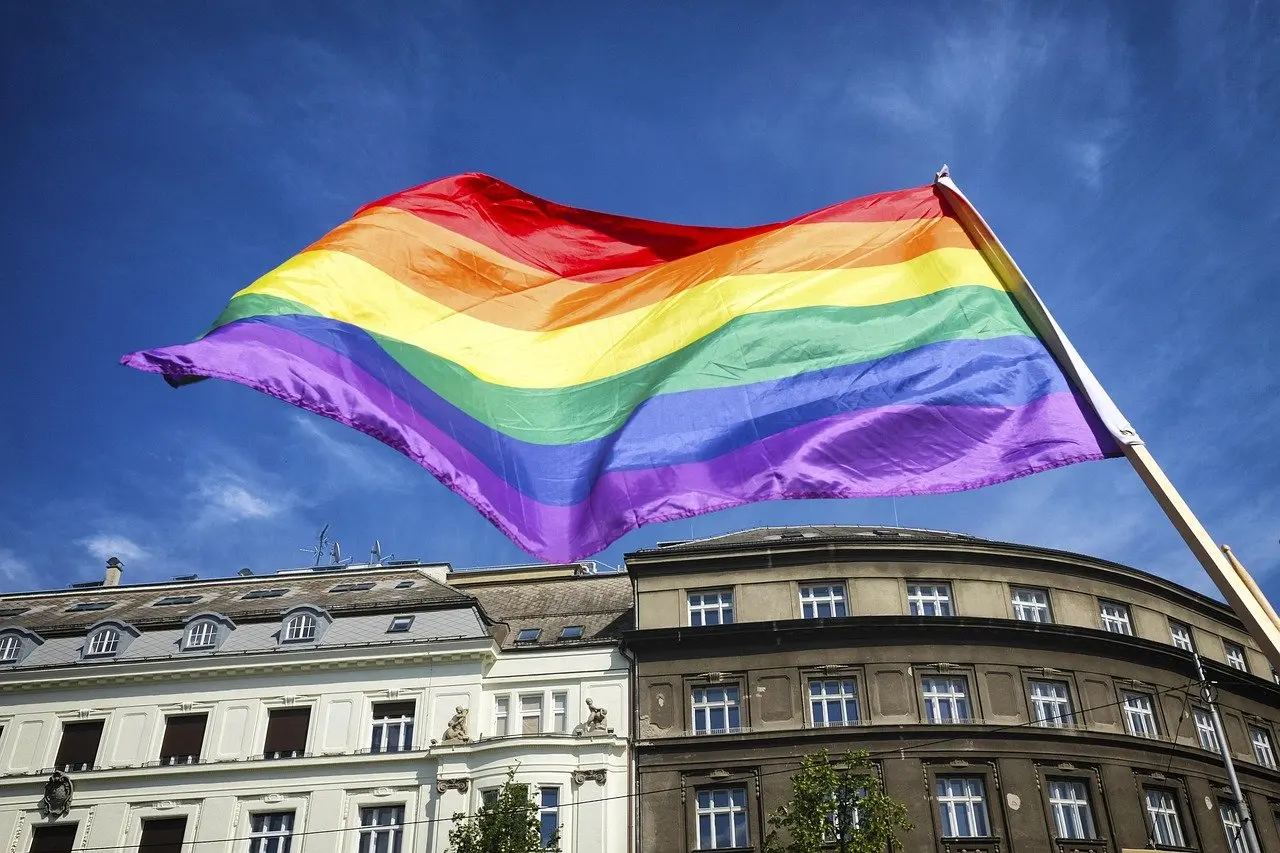
Marseille Pride at a glance
| Element | What is reported | Planning use |
|---|---|---|
| Place in the Pride calendar | The Marseille march follows the Paris parade by one week. A France 3 regional report announced its return on Saturday 29 July. | Use the Paris date as a first estimate, then confirm the exact day with the organisers. |
| Start of the day | Around 12:00 near the Reformed Church, with an association village installed. | Arrive at midday if you want to meet the groups before the procession. |
| Procession | Departs around 16:00 towards the Vieux-Port. | Be at the start point before departure to walk, or pick a spot on the way to watch. |
| Finish | The day ends at the Hôtel de Ville. | Plan your evening around a finish at the waterfront rather than the start point. |
| Organiser | Lesbian & Gay Pride de Marseille, which stages the annual march. | Treat the association as the first point of contact for route or timing changes. |
Timings and the organiser come from the Gay Séjour guide to Marseille Pride. The date reference comes from France 3 Provence-Alpes-Côte d’Azur.
Marseille Pride is an annual march that runs a week after Paris, starts around midday with an association village and sets off around 16:00 towards the Vieux-Port. Exact dates change each year.
The march is one piece of the city’s wider evening scene. For how it sits among club programming across the year, see marseille nightclub events.
What the schedule means for your day
The march is built around an afternoon departure, so the practical effect is a day with a daytime community phase and a long gap before evening plans begin. The source describes a midday start and a procession leaving around 16:00, according to the Gay Séjour guide. Those two anchors decide most of the choices a visitor faces.
- Walking in the march. Choose this if you want to be part of the procession. Be at the starting area before the afternoon departure, because that is where the procession forms.
- Watching from the route. This suits visitors who prefer to see the procession arrive rather than join it. The procession heads towards the old port, so the waterfront area is the natural place to look for a spot.
- Meeting the associations. The village installed at the start is the part of the day aimed at conversation rather than movement. Go early if that is your priority, since the procession leaves around 16:00 and the village phase precedes it.
- Keeping the evening open. The day ends at the Hôtel de Ville, so anything you book for the night should allow for travel from the finish point rather than from the starting area.
A midday start also means the march can fit a flexible weekend. Visitors who arrive the same day can reach the start in time, while those staying overnight can treat the afternoon as the main event and leave the evening unstructured.
The route from the village to the Vieux-Port
The route moves from the area around the Reformed Church, called the Hervormde Kerk in the Dutch-language source, towards the Vieux-Port and ends at the Hôtel de Ville. The source gives these as the key points of the day rather than a street-by-street itinerary, so use them as orientation, not as a turn-by-turn plan.
Start: the association village
The first phase begins around 12:00, and the village of associations is installed at the starting point. This phase gives context to the march: it shows which groups take part and gives newcomers a calmer setting before the crowd gathers.
Procession: towards the old port
The procession departs around 16:00 for the Vieux-Port. This is the moment to decide whether you are walking or watching. If you walk, stay near the start so you do not miss the departure. If you watch, the old port is the reference point, so aim for the waterfront side instead of the start.
Finish: the Hôtel de Ville
The day ends at the Hôtel de Ville in Marseille. Treat that as the end of the organised programme. What happens afterwards is an independent choice, and the finish location is a reasonable base from which to begin your evening.
Who organises the march
The march is organised by the association Lesbian & Gay Pride de Marseille. According to the Gay Séjour guide, its main goal is to organise an annual Pride March for LGBT people in Marseille. The same description says the association combats discrimination based on sexual orientation and gender identity.
That mission explains the format of the day. A march with an association village at the start is designed as a public demonstration and meeting point, not only as a party. Visitors who expect a purely festive parade may find the day more campaigning in tone than they anticipated, which is a point in its favour if you want to understand the local community rather than just attend an event.
For practical purposes, the organiser is the authority on changes. If a date, start point or departure time matters to your plans, check the association’s own channels before travelling, because press and guide articles describe past editions and details can be updated for each march.
Pride parties and the LGBTQ+ nightlife around the march
Because the march finishes at the Hôtel de Ville, the evening is a separate decision rather than a built-in part of the programme. Marseille’s LGBTQ+ nightlife is where most visitors continue the day, and the choice is between a bar-based night and a club-based one.
- Bars first. Choose this if you want to sit, talk and compare notes after hours on your feet. The guide to gay bars marseille covers the venues suited to that kind of evening.
- Themed club nights. Choose this if you want a dancefloor with a defined concept. For how clubs build these evenings, see the guide to a soirée à thème marseille.
- A staggered night. Start in a bar near the waterfront and move to a club later. This works because the procession ends in the afternoon, which leaves the whole evening open.

Party programming varies from one edition to the next, so check each venue’s announcements closer to the date rather than assuming a fixed line-up. Doors and entry conditions are set by individual venues, and a queue can form on a busy night, so allow time at your chosen club.

Working out the date each year
The march is placed in the calendar relative to Paris. The Gay Séjour guide says Marseille follows the Paris parade by one week, which is a useful rule of thumb when you plan before the local announcement appears.
Press reports give a second reference point. A France 3 regional report announced that the march was returning on Saturday 29 July. The fetched text does not show the year, so treat it as an example of a summer Saturday march rather than a date for your trip.
The decision this supports is simple. If your travel dates are fixed, check the organisers before you book accommodation. If your dates are flexible, use the Paris date plus one week as a starting point and then confirm it.
Frequently asked questions
When is Marseille Pride held?
It takes place a week after the Paris parade, on a Saturday in the example reported by France 3. The exact date changes, so confirm it with the organisers.
What is the parade route?
The day begins around 12:00 near the Reformed Church with an association village. The procession leaves around 16:00 towards the Vieux-Port, and the day ends at the Hôtel de Ville.
Who organises the march?
The association Lesbian & Gay Pride de Marseille organises it. Its stated goal is an annual Pride March for LGBT people in the city, alongside action against discrimination based on sexual orientation and gender identity.
Is the march only a party?
No. The association village and the organiser’s mission point to a public demonstration with a community meeting point. Parties are a separate evening choice.