| Aspect | Reported detail | Planning use |
|---|---|---|
| Parade timing | Left the Vieux-Port around 14:30 and reached the Prado beaches around 18:00 | Read it as an afternoon procession from harbour to beach, not a short city-centre march. |
| Expected turnout | The LGP forecast 100,000 to 130,000 participants; attendance was well below that | Treat the range as the organisers’ target, not as a headcount. |
| Floats | About twenty floats | Gives a sense of the scale of the procession. |
| Conferences | About 40 over 10 days at Europride Park | Shows the programme was not only parties; check the debate side when researching the event. |
| Opening concert | Fatboy Slim concert moved from the J4 esplanade to the Dock des Sud without notice | Venue details changed at short notice, so confirm locations against late press reports. |
Figures above come from L’Express’s report on the parade and Marsactu’s coverage of the organisation.
EuroPride Marseille 2013 was the pan-European Pride event hosted in Marseille during its cultural capital year, with a parade from the Vieux-Port to the Prado beaches that drew fewer people than organisers had forecast.
The event is a one-off chapter in the city’s calendar, separate from its yearly marches. For the wider calendar, see events in marseille.
What the 2013 parade involved
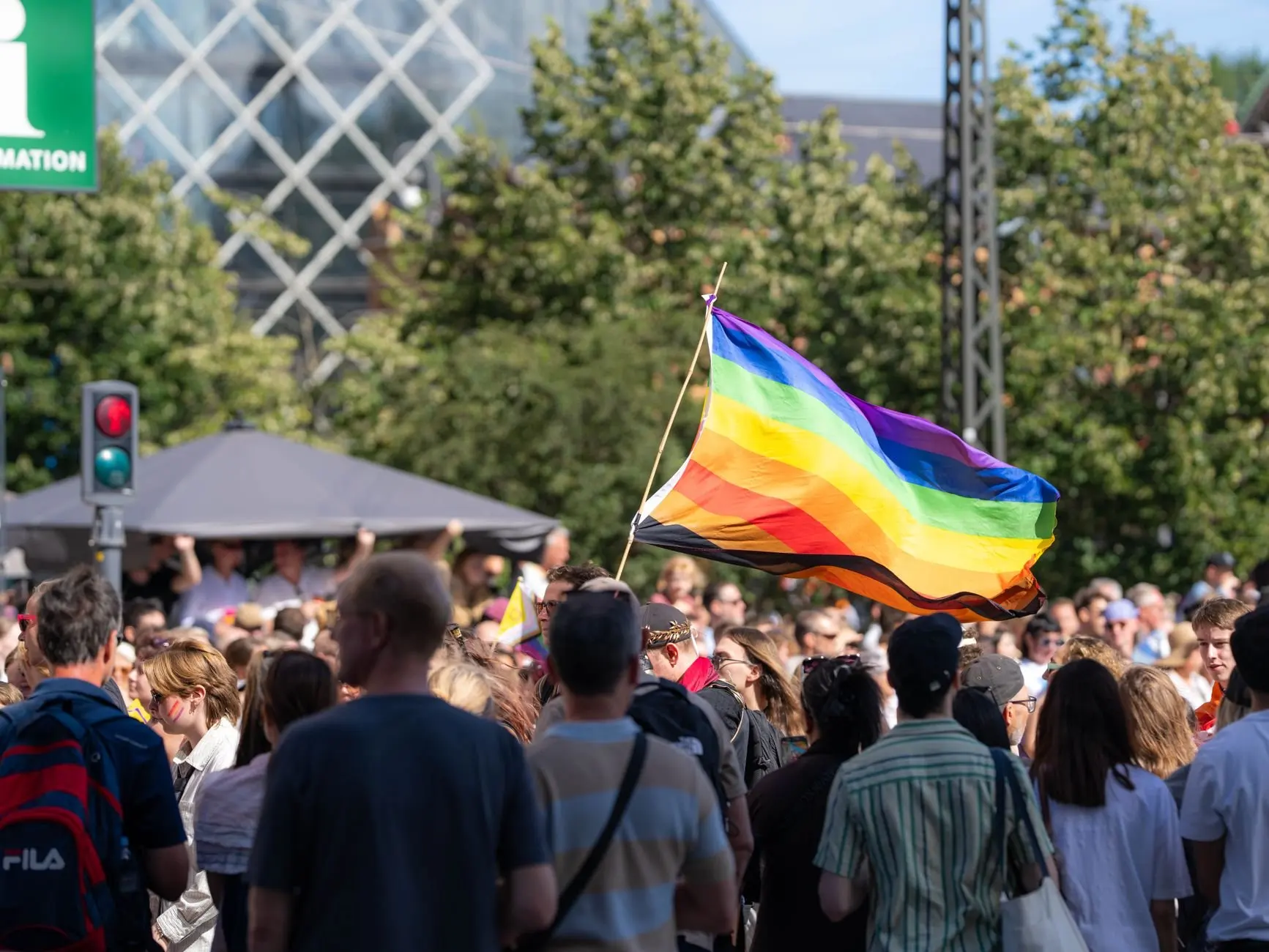
The EuroPride parade crossed Marseille from the harbour to the seafront, and press reports describe it as a long afternoon procession with a strong political message.
Route and timing
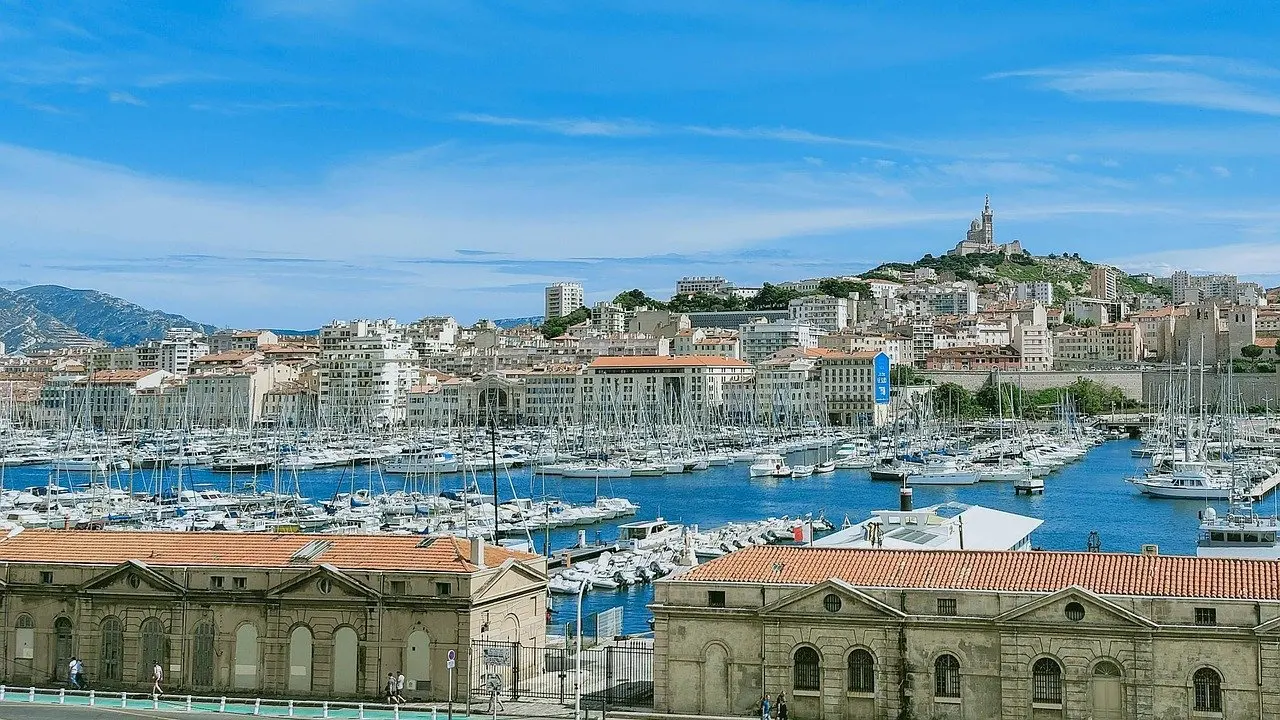
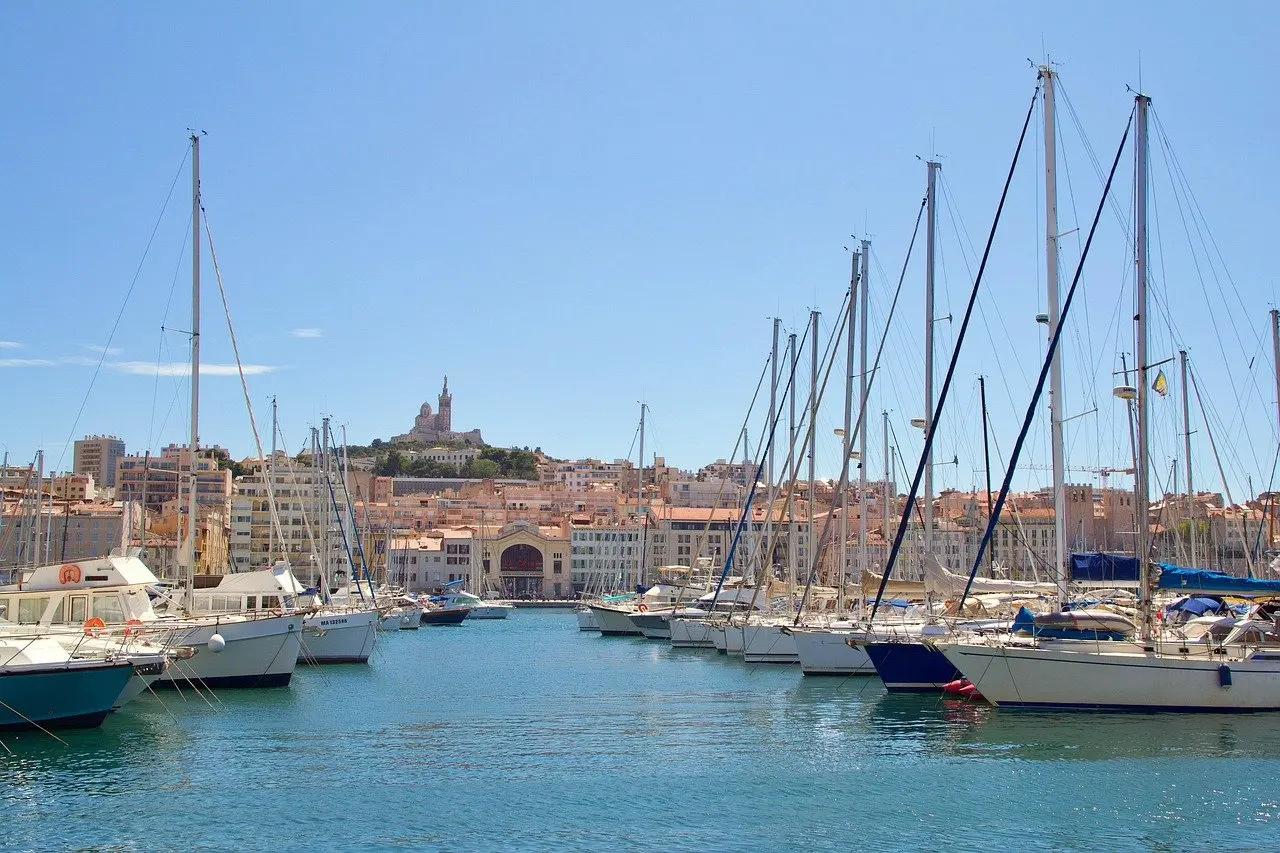
According to L’Express, the procession linked the Vieux-Port to the beaches. It set off around 14:30 and reached the Prado beaches around 18:00. That timing explains why the day worked as a full-afternoon event: the harbour served as the gathering point, while the beach end gave the parade a natural finish away from the old port’s narrow quays.
Size, floats and message
The Marseille organiser, the LGP, expected 100,000 to 130,000 participants, but L’Express reported attendance well below that. About twenty floats made up the procession. Speakers at the Vieux-Port tied the parade to the marriage-for-all law, which gave the day a clear national political focus alongside its European identity.
When reading older accounts of the parade, keep these points in mind:
- Forecasts are not counts. The 100,000 to 130,000 range was what the LGP expected. Quote it as an expectation and say that actual turnout fell well short.
- Route descriptions vary. The press account supplies the start and end points and approximate times. Treat any street-by-street detail from other sources with caution unless it comes from the organisers or a contemporary report.
- The message mattered as much as the numbers. The marriage-for-all debate shaped the speeches, so the parade is best understood as a French political moment as well as a European gathering.
Parties, concerts and the week of events
EuroPride Marseille 2013 ran as a ten-day programme rather than a single parade day, and the surrounding events were uneven in how smoothly they ran.
Gatherings and conferences
L’Express reported that the Marseille association organised ten days of gatherings before the parade. For a visitor interested in the political and community side of Pride, the conference programme was the part of the week built around discussion, rather than the party scene.
Opening concert and organisational problems
The opening concert by Fatboy Slim was originally planned for the J4 esplanade. Marsactu reported that it was moved to the Dock des Sud without notice. The same article reported some disorganisation and a failure of communication that caused numerous mishaps early in the event, and it quoted the organisers describing themselves as amateurs. The practical lesson from this coverage is that a large, volunteer-driven programme can change venues and details at short notice, so late announcements deserved more trust than early listings.
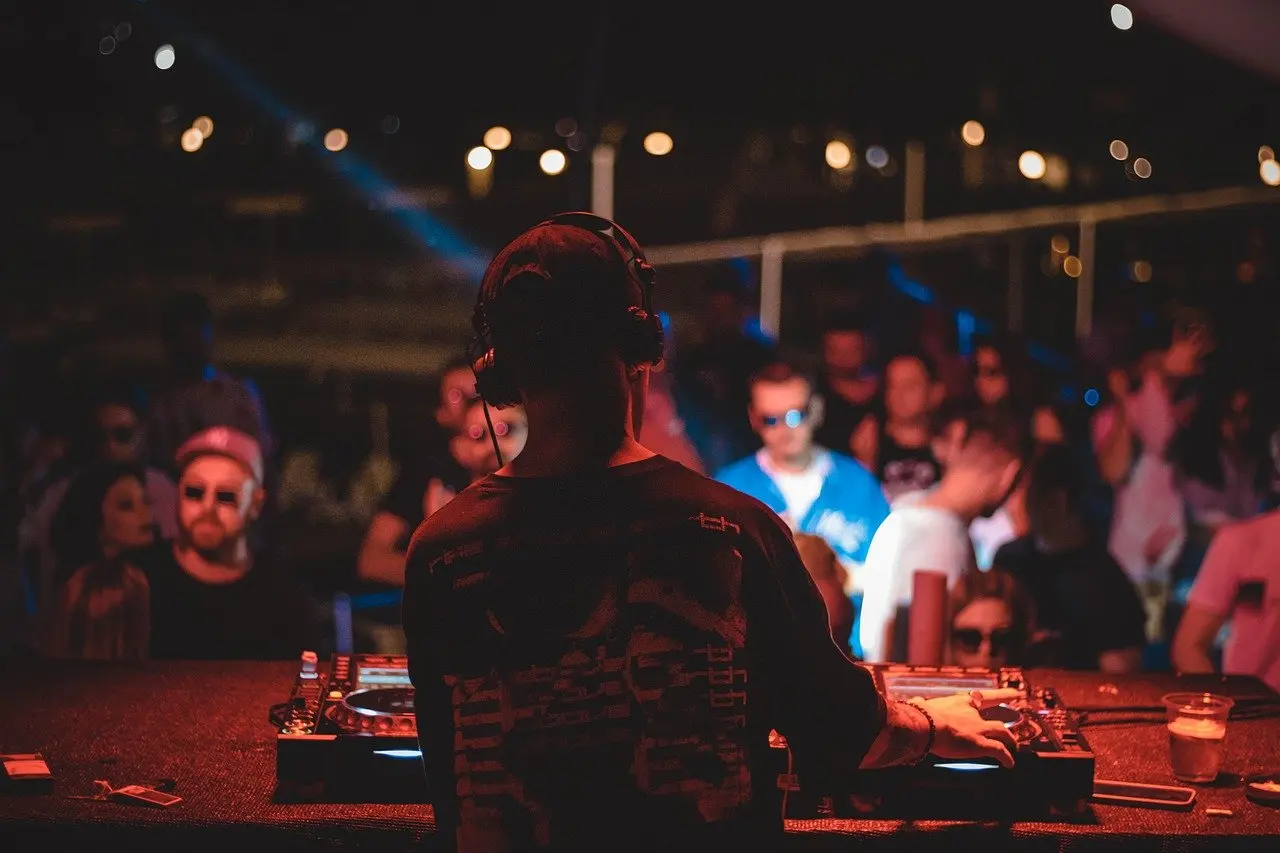
Large open-air music dates are a recurring feature of the city’s calendar, and fête de la musique marseille offers another view of how the city handles big public music events.

How Marseille came to host EuroPride
Marseille hosted EuroPride in 2013 because the title is licensed by the European Pride Organisers Association (EPOA) to a different member each year, and a Marseille organiser carried it that year.
The licensing mechanism
The European Pride Organisers Association describes EuroPride as a pan-European international LGBTI event featuring a Pride parade, hosted by a different European city each year. It says it licenses EuroPride to a different member each year, and that its members are Pride organisations that organise events throughout the year. The association also reports around 100 member organisations in more than 40 countries. In practice, a host is a local organiser holding the licence for one edition, not a permanent organiser of the title.
The Marseille context
The Marseille edition was run by the LGP Provence association (Lesbian and Gay Parade), which Marsactu identified as the organiser. Press coverage placed the event at the heart of Marseille’s cultural capital year, which gave it a larger civic backdrop than a standard Pride edition. The supplied records do not set out the committee’s reasoning for the award, so the cultural capital timing is context rather than a stated cause.
EuroPride compared with the annual Marseille Pride march
EuroPride is a rotating European title, while the Marseille Pride march is a local event that returns to the same city. Both centre on a parade, but they answer different questions.
- Scope. EuroPride moves to a different European city each year under an EPOA licence. The local march belongs to one city’s yearly calendar; see the marseille pride date page for how the annual event is scheduled.
- Organisers. The licence passes to a member organisation for a single edition. The local march depends on the city’s own Pride organisers year after year.
- Audience. A EuroPride edition draws activists and visitors from across Europe, with a conference programme and a longer run of events. An annual march is shaped mainly by local participants.
- History. According to the EPOA’s anniversary article, Warsaw in 2010 was the first former communist country to host EuroPride, which shows how far the rotation has travelled since the first edition.
For recent context, the EPOA lists Thessaloniki, Greece, as host of EuroPride 2024, from 21-29 June 2024. A traveller choosing between a EuroPride year and a regular year in Marseille should pick EuroPride only if a wider programme of conferences and visitors from abroad is the goal; for the ordinary local march, the annual event is the right target.
Press coverage and legacy
Contemporary French press recorded both the political weight of the parade and the organisational stumbles, and that mixed record is how the event is best remembered.
L’Express reported that the parade ended with the announcement of the next EuroPride in Oslo, from 20 to 29 June 2014. Marsactu’s article shows how critical local coverage could be of the organisers’ preparation, while L’Express emphasised the marriage-for-all theme. Reading both outlets together gives a more balanced picture than either alone.
Frequently asked questions
When was the first EuroPride held?
The first EuroPride took place in London on 27 June 1992, when about 100,000 people from across Europe marched, according to the EPOA.
Where was EuroPride held after Marseille?
Oslo was announced as the next host at the Marseille parade, with dates of 20 to 29 June 2014, as reported by L’Express.
How large is the organisation that licenses EuroPride?
The EPOA says it has 100 member organisations in more than 40 countries.
Did international visitors face problems getting to Marseille?
Some foreign activists received their invitations too late to obtain visas, according to L’Express.