The Marseille Christmas market and the Foire aux Santons were reported together on the Vieux-Port in 2020, so one waterfront trip can cover both. Confirm each year’s dates with the City of Marseille before travelling.
This guide sits within the wider calendar of events in Marseille and ties the market, the lights and the santon tradition into one plan.
- Start at the Vieux-Port. The tourist office places the santons fair there, among a multitude of stalls.
- Treat dates as yearly announcements. The City of Marseille confirms each edition, so check its notice before booking.
- Add the home traditions. Saint Barbara’s wheat, the thirteen desserts and the Kings’ cake give the visit its meaning.
Finding the market and the santon fair on the Vieux-Port
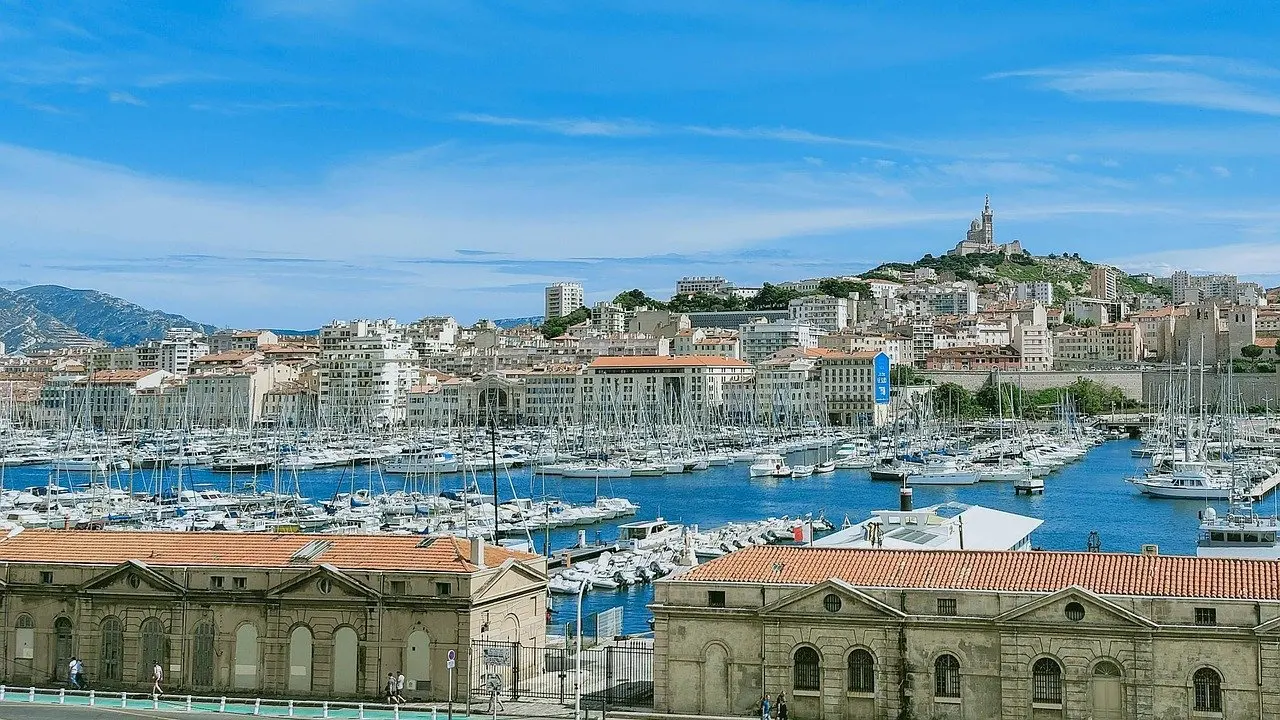
The Vieux-Port is the fixed point of a Marseille Christmas visit. The Marseille tourist office sends visitors to the Santons fair in the Vieux-Port, where a multitude of stalls sell painted clay figures.
Where the Foire aux Santons is held
The Foire aux Santons is held in the Vieux-Port. A visitor who wants only the fair can head straight to the harbour and browse the stalls for figures. A visitor who also wants seasonal food and gifts will find it convenient that the market has been reported in the same area.
Christmas market stalls and attractions
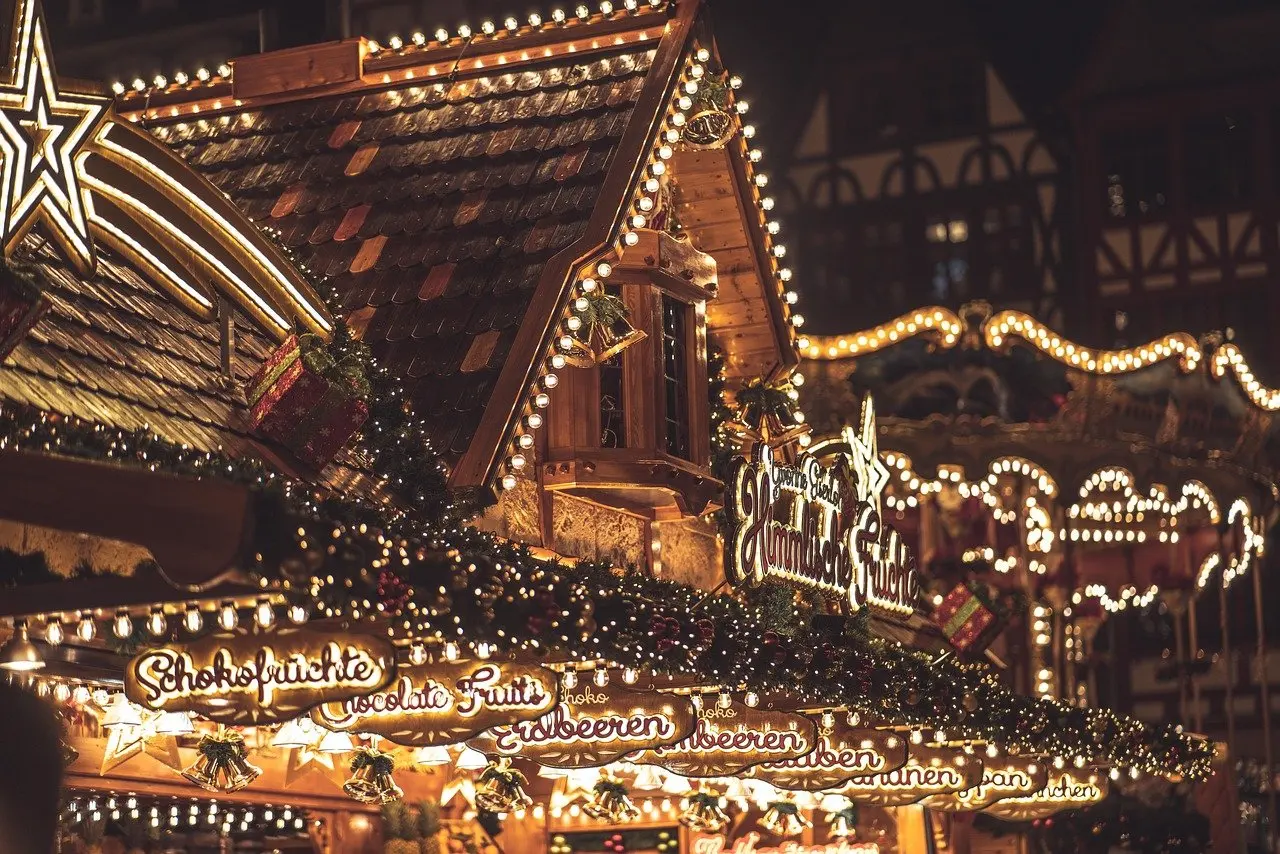
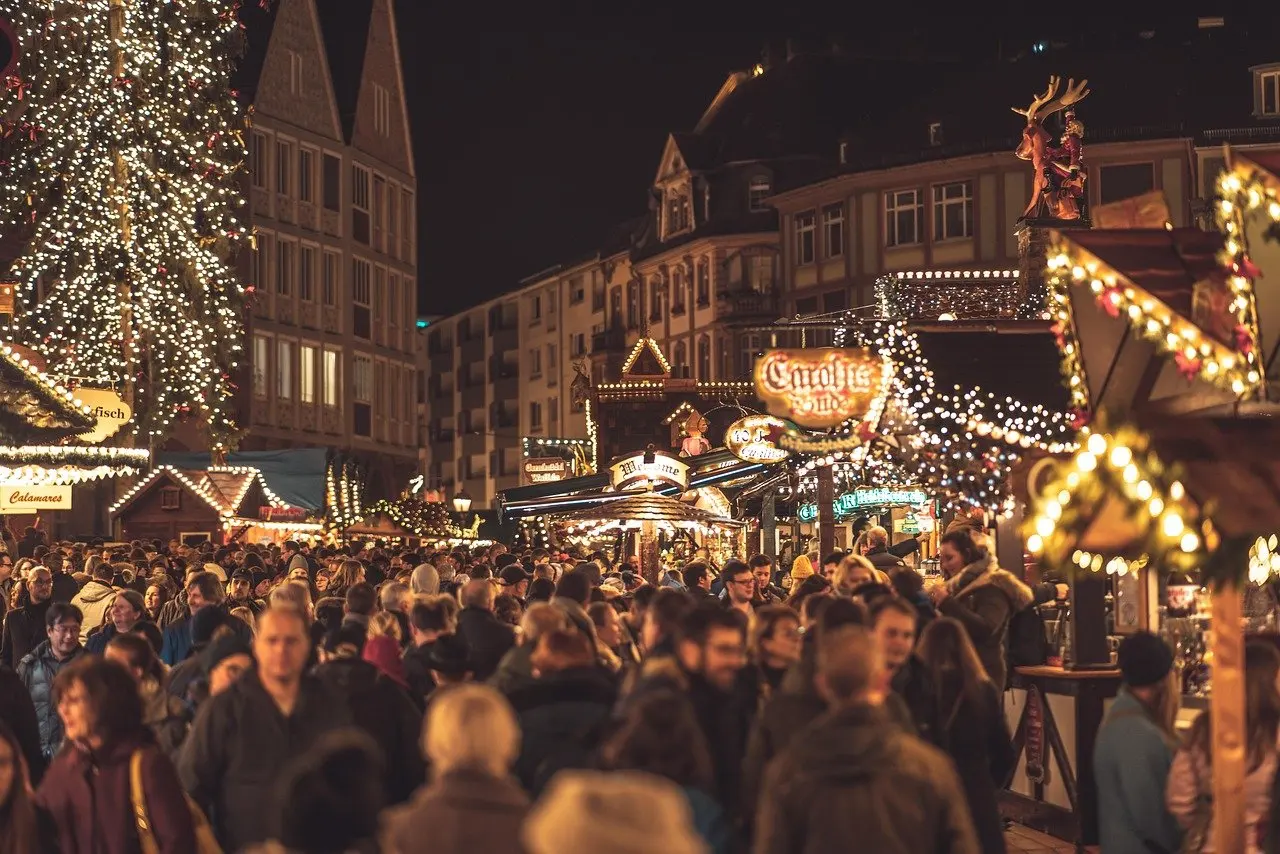
A market visit suits an unhurried walk rather than a tight schedule. Wander the stalls first, then spend the remaining time on the santon stalls, where browsing is slower and more specialised. Exact attractions, opening hours and stall lists change by year, so rely on the City of Marseille’s current announcement rather than an older listing.
Santons and the fair that keeps the tradition alive
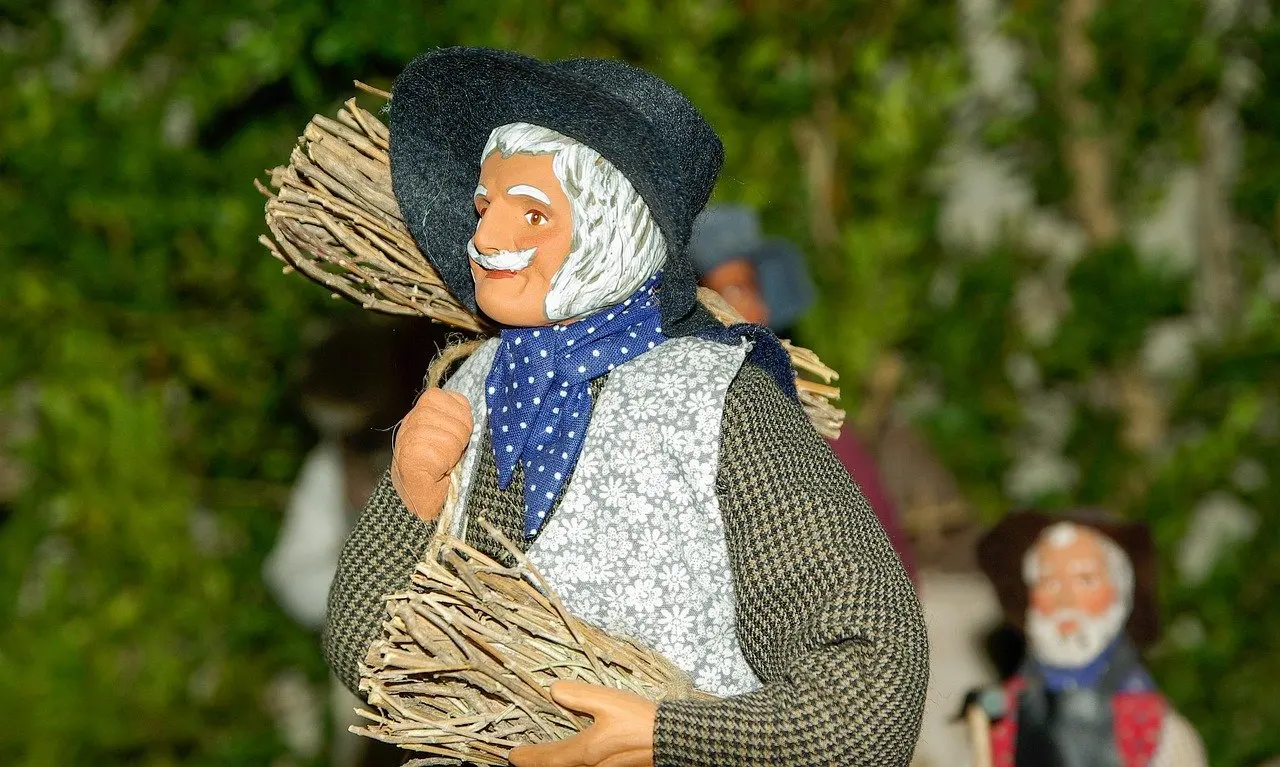
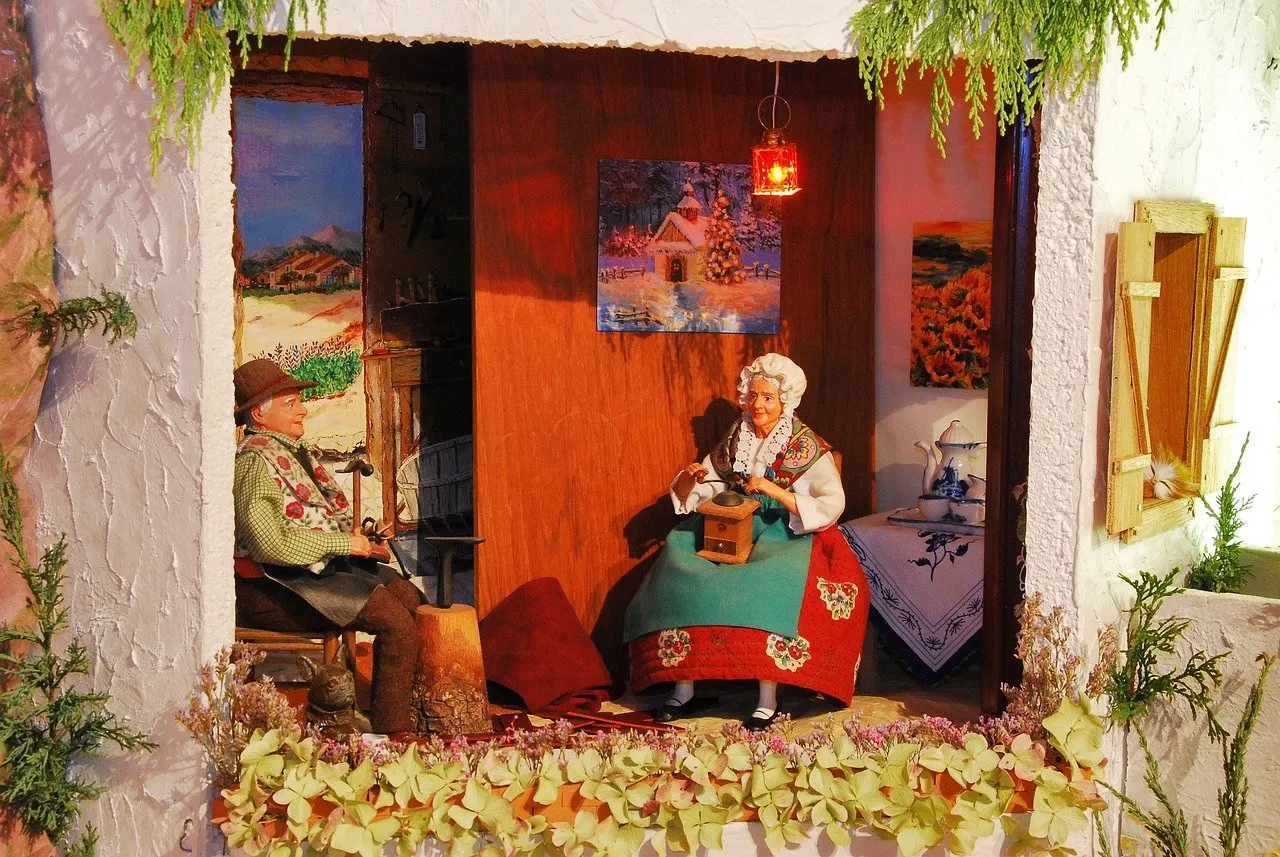
Santons are small painted clay figures that families use in the nativity scene at home, according to the tourist office. That domestic purpose explains why the fair matters: buyers are building or extending a crib, not just choosing a souvenir.
What belongs in a Provençal nativity scene
The tourist office lists the Holy Family (Mary, Joseph and Jesus), the donkey and the ox among the figures, alongside shepherds and characters from Provençal trades. A buyer starting a crib can begin with the central figures and add trades over time, which is how a collection naturally grows.
How old the fair is
The City of Marseille confirmed the 218th edition of the Foire aux Santons in 2020, as local press reported. An edition count that high shows a long-running civic tradition rather than a recent seasonal add-on, and it is a good reason to treat the fair as the centre of a Marseille Christmas rather than a side stall.
Christmas lights and illuminations
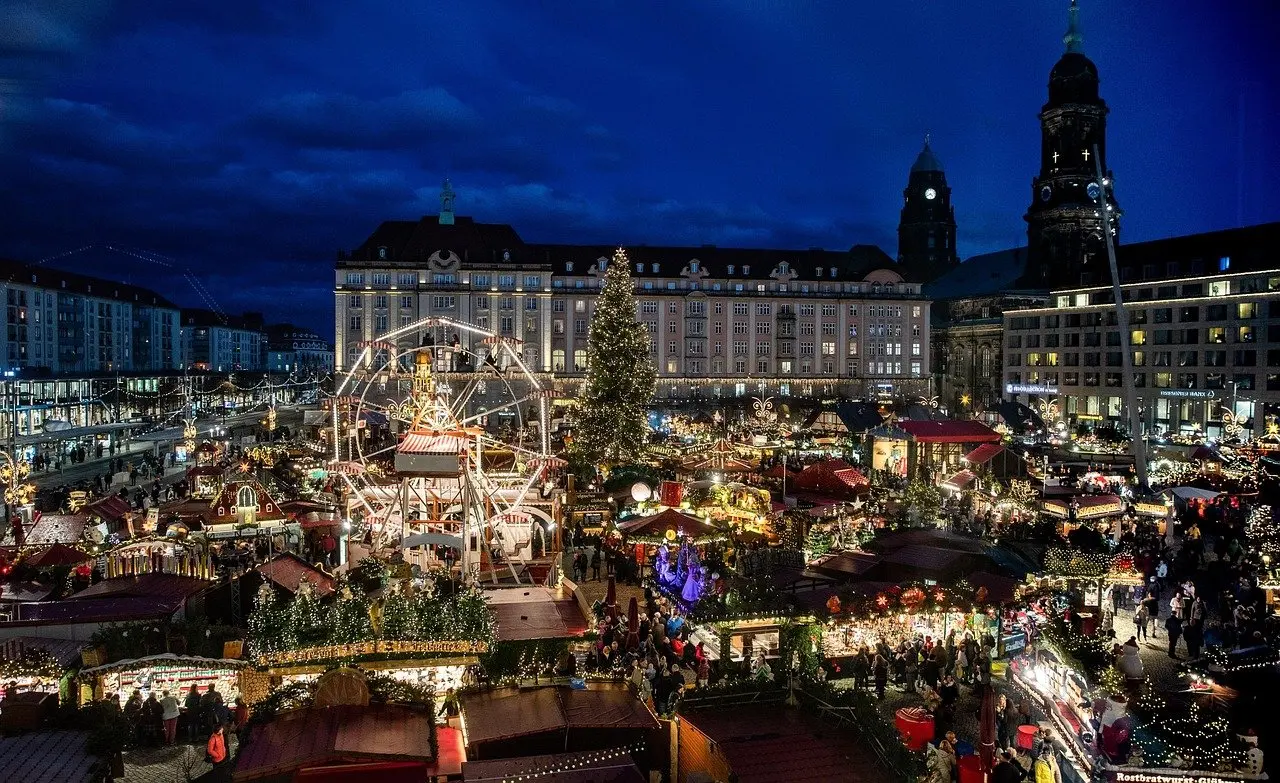
Lights are best treated as an evening addition to the market visit. Illuminated streets and stalls look different after dark, so plan the santon browsing earlier and keep the lights for later. Which streets are decorated, and when the switch-on takes place, is set by the city each year, so look for the current City of Marseille or tourist office announcement before choosing a route.
Matching the calendar to the traditions
Marseille’s Christmas season stretches beyond the market itself. The table shows the home traditions that the tourist office ties to specific dates, so a visitor can decide which days add the most.
| Tradition | Date or timing | Planning use |
|---|---|---|
| Saint Barbara’s Day wheat planting | 4 December | An early-season marker for visitors who want to see how residents begin Christmas at home. |
| Thirteen desserts | Served after midnight mass; they stay on the table for 3 days from 25 December | Relevant to anyone sharing a family meal or looking for traditional sweets over the holiday. |
| Epiphany and Kings’ cake | 6 January; the cake is eaten throughout January | Extends the festive period into the new year, which suits a later trip. |
These dates come from the Marseille tourist office’s year-end festivities guide.
The thirteen desserts
The thirteen desserts are the table side of the Provençal Christmas. The tourist office explains that the number 13 stands for Christ and his apostles. They are served after midnight mass and remain on the table for 3 days from 25 December.
For a visitor, the practical point is that this is a home and family custom. Bakeries and food stalls may offer seasonal sweets, but the tradition itself is a shared table kept over several days, so look for it in the way residents eat rather than in a single event.

Fixing common planning problems
- You cannot find this year’s fair dates. Use the City of Marseille’s announcement or the tourist office page rather than a general holiday list. The city confirms each edition, as it did for the 218th in 2020.
- You want the festive season to continue past Christmas. Build the trip around Epiphany on 6 January and the Kings’ cake, or read about new year’s eve in marseille if the plan is to arrive later in the holidays.
- You want a different seasonal event later in the year. The carnaval de marseille guide covers a separate celebration that suits a later visit.
- You mainly want a souvenir. Choose the santon stalls on the Vieux-Port, since the figures are made for nativity scenes and make a more meaningful keepsake than generic market goods.
Frequently asked questions
| Question | Answer |
|---|---|
| What are the dates of the Foire aux Santons? | The dates are announced by the City of Marseille for each edition. Check the current city or tourist office announcement before booking, because this guide does not fix a calendar for a given year. |
| Are the Christmas market and the santon fair in the same place? | In 2020, local press reported both taking place on the Vieux-Port, and the tourist office locates the santons fair there. |
| Does the festive season continue after Epiphany? | The tourist office describes a Candlemas procession in February that leaves from the Vieux-Port to Saint-Victor Abbey. |